Continuous Technological Innovation
Providing one-stop optical measurement solutions for customers
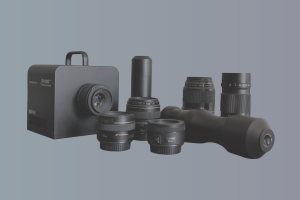
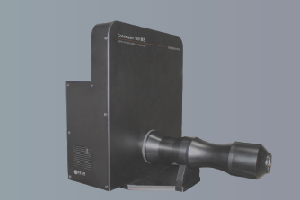
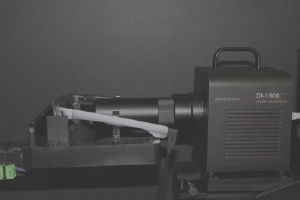

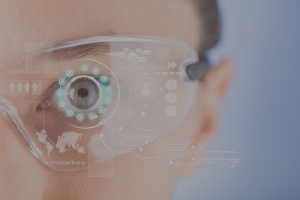
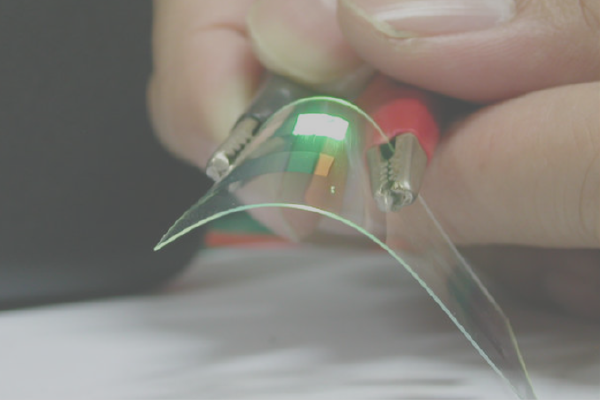
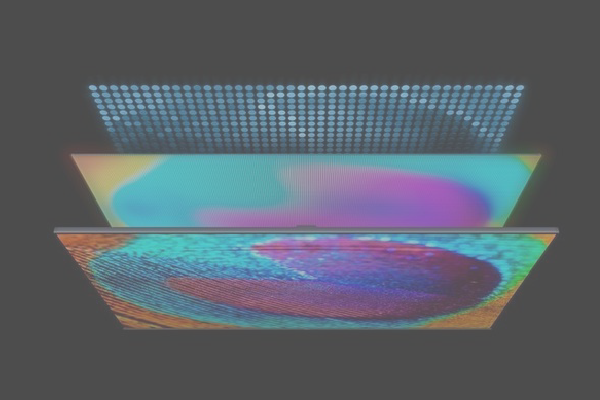
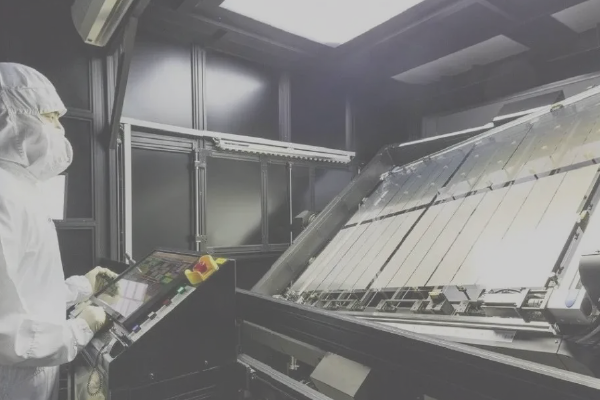
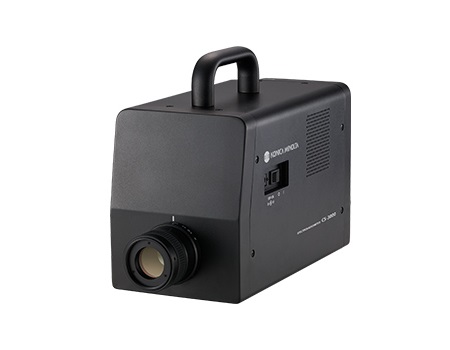
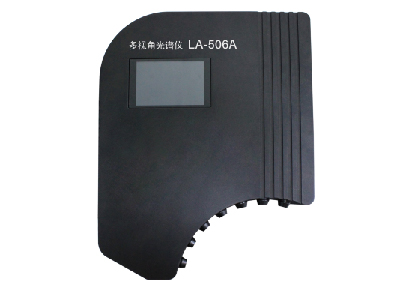
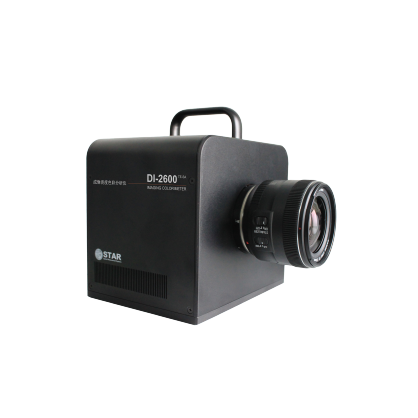
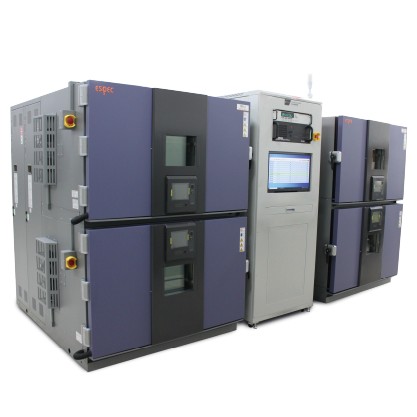
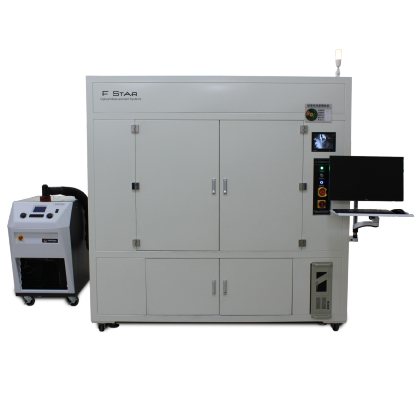
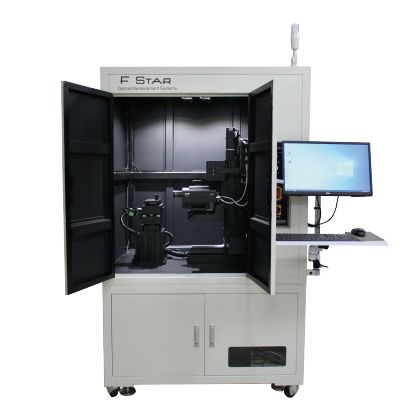
Display optical testing quantifies core optical performance parameters and bridges user experience, eye health and industrial innovation.
Accurate measurement of luminance, color and visual comfort parameters provides consumers with science-based purchasing guidance, while driving the display industry toward higher definition, better eye protection and greater personalization.
Key test parameters for flat-panel displays:
luminance, chromaticity, uniformity, contrast, gamma, defects, light leakage, Mura, afterimage, viewing angle, specular reflection, diffuse reflection, flicker, response time, motion blur, lifetime, power consumption.
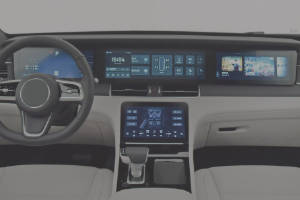
With the advancement of automotive intelligence, automotive displays and lighting systems are widely deployed.
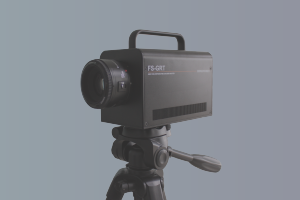
Fstar’s DI Series imaging colorimeters enable uniformity testing for automotive displays in compliance with standards set by the German Automotive Display Industry Association.
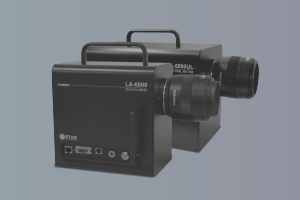
The LA-6000 Series delivers high-precision luminance and chromaticity measurements for automotive headlights, taillights, and ambient lighting.
Microdisplay optical measurement enables quantitative evaluation of the photometric and colorimetric performance, structural accuracy, and imaging quality of microdisplays (Micro LED, OLED, LCoS) used in AR/VR devices and smart glasses.
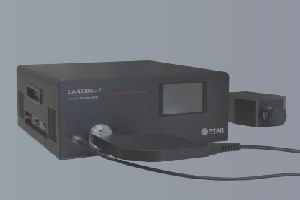
For applications such as LED backlighting and general lighting fixtures, Fstar’s spectroradiometers measure key optical properties including luminance, chromaticity, and correlated color temperature (CCT).
This enables lighting manufacturers to optimize product design, improve quality consistency, and ensure reliable performance and color rendering.

Rtings is a Canadian review agency that focuses on TV reviews, as well as headphones, monitors, and more
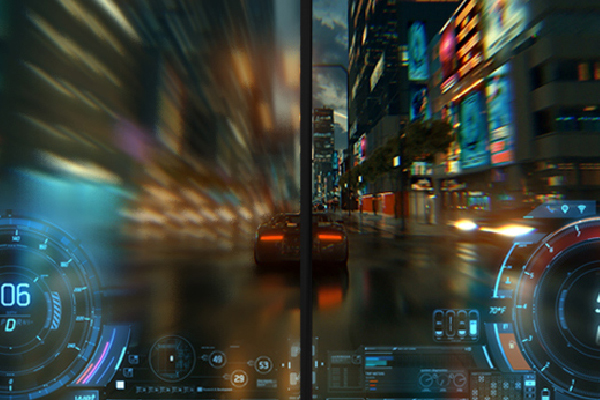
OLED is considered a new technology that can eliminate motion blur, but the reality is that not all OLEDs
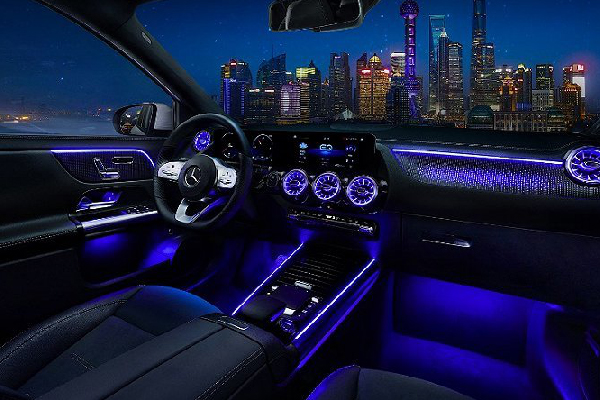
This article mainly explores the optical testing of ambient lamps through the principles of ambient lamps and practical cases of optical testing


长按屏幕识别二维码
打开手机扫描二维码